5 Best Modern Kitchen Decor Ideas for 2026
4/1/20266 min read


Minimalist Elegance: The Zen Kitchen
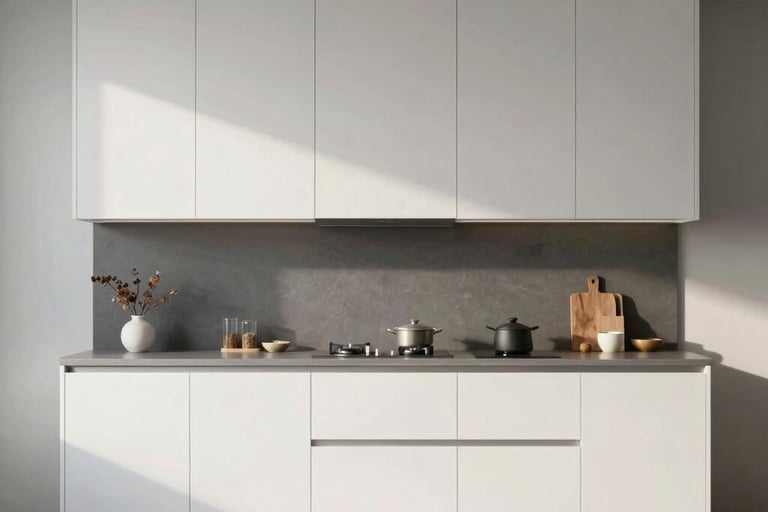
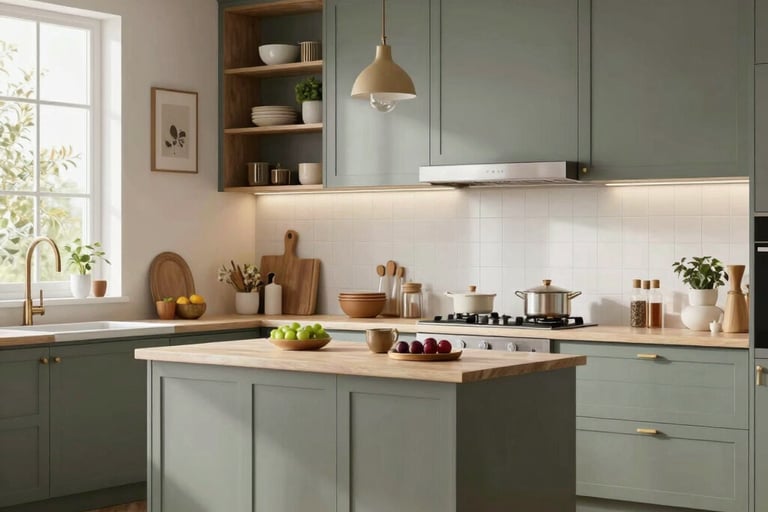
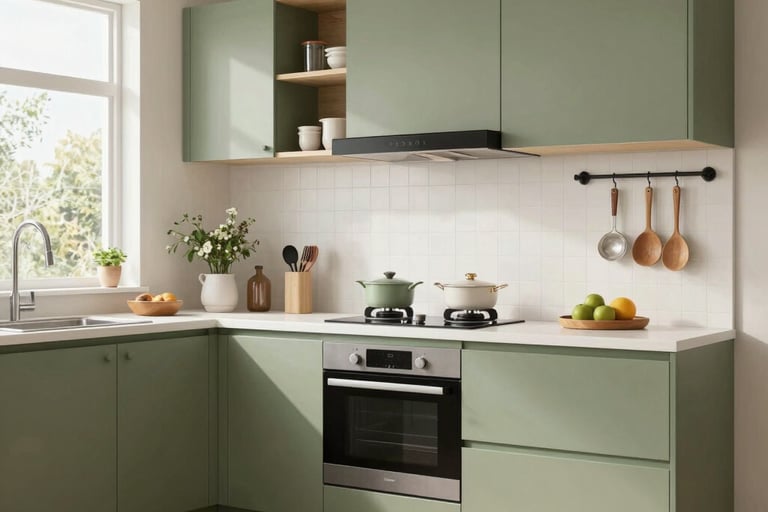
The concept of minimalist design has gained popularity in modern kitchen decor, emphasizing simplicity and functionality. The zen kitchen, which epitomizes minimalist elegance, encourages a serene and organized environment, effectively merging aesthetics with practicality. One prominent feature of this design is the use of light colors, which helps create an airy and spacious atmosphere. Soft whites, muted grays, and pastel tones can enhance the visual appeal while also serving to reflect natural light, making the space feel larger.
Another hallmark of the zen kitchen is its clean lines. Furniture and cabinetry are typically designed with straightforward geometrical shapes, devoid of excessive ornamentation. This simple yet sophisticated approach allows for easy maintenance and a clutter-free space, which is central to the ethos of minimalism. To further enhance the overall clean appearance, incorporating white cabinetry creates a seamless backdrop, complementing various other elements without overwhelming the senses.
Key materials in a zen kitchen include natural wood, often utilized in countertops and flooring, providing warmth and organic texture. This natural element juxtaposes beautifully with the stark white cabinetry, fostering a balanced aesthetic. Subtle accents, such as metallic hardware or understated pendant lighting, can be strategically placed to enrich the visual interest without detracting from the minimalist philosophy.
Moreover, maximizing natural light is critical in the design of a zen kitchen. Large windows or strategically placed skylights allow sunlight to flood the room, not only enhancing the ambiance but also contributing positively to the mental well-being of its users. Together, these elements define a zen kitchen that is both beautiful and practical, embodying the essence of minimalist elegance.
Industrial Chic: Raw and Regal
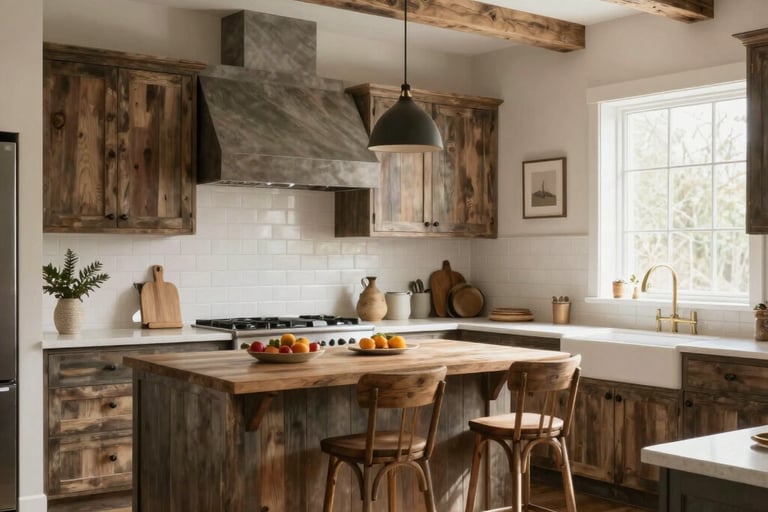
The industrial chic design style has gained significant traction in modern kitchen decor, enveloping spaces in a captivating blend of raw and regal elements. This aesthetic thrives on the interplay between unrefined materials and sophisticated touches, creating a kitchen that exudes both warmth and edginess. Key features include exposed brick walls, metal fixtures, and the use of reclaimed wood, each contributing to a unique atmosphere that balances rustic charm with urban appeal.
To achieve this look, one should focus on color contrast and texture variation. Start with a base of neutral tones like gray or beige, and then introduce darker hues through accents such as a black stove or countertop. The juxtaposition of these colors against warmth from wooden elements can help create a striking yet inviting kitchen space. Incorporating fabrics, such as raw linen curtains and textured rugs, can further enhance this effect, bringing comfort into the industrial framework.
Design elements play a pivotal role in the industrial aesthetic. For instance, consider opting for bar stools with metallic finishes; these create a stylish focal point at a breakfast bar or kitchen island. Open shelving made from reclaimed wood allows for both practicality and a display area for chic dishware or decorative items, reinforcing that seamless blend of functionality and artistry. Additionally, bold thematic lighting fixtures, like pendant lamps with an industrial design, can serve as impactful statements while providing necessary illumination.
With careful attention to detail, an industrial-style kitchen can become a standout feature in any home, embodying a balance between harshness and warmth that invites culinary creativity.
Farmhouse Modern: Rustic Meets Contemporary
The modern farmhouse kitchen combines the enchanting rustic elements of traditional design with the sleek aesthetics of contemporary decor, creating a space that is both warm and inviting. One of the standout features of this design style is the use of shiplap walls, which add texture and depth to the space. Shiplap, often painted in soft, neutral tones, serves as an excellent backdrop for the vibrant accents typically found in farmhouse kitchens.
Farmhouse sinks, with their wide basin and deep wells, are another hallmark of this style. These sinks not only offer practicality but also evoke a nostalgic charm that enhances the kitchen's character. To achieve a cohesive look, pairing these sinks with modern faucets that incorporate sleek lines can maintain the contemporary flair while still paying homage to the past.
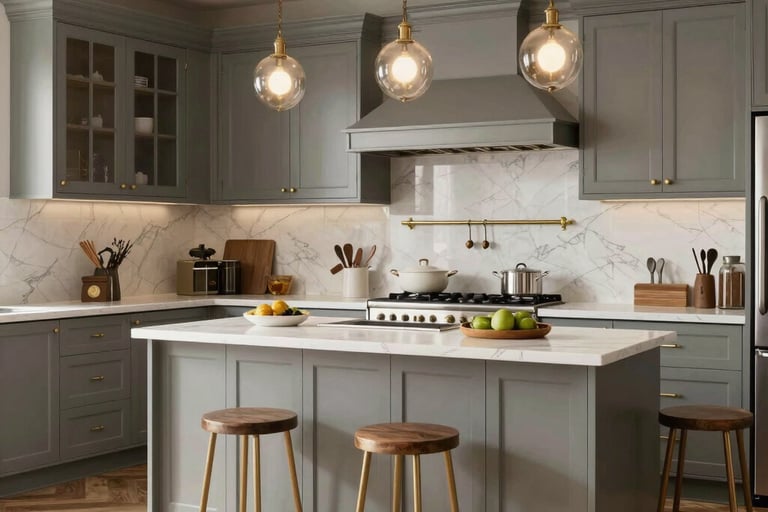
Lighting plays a crucial role in marrying rustic with modern design. Vintage light fixtures, like wrought iron chandeliers or pendant lights with a distressed finish, can create a focal point above an island or dining area. However, it is essential to balance these elements with polished appliances and countertops. Stainless steel appliances provide functionality and a modern appeal, while quartz or granite countertops add sophistication with their clean, polished surfaces.
To successfully create a farmhouse modern kitchen, consider incorporating a mix of materials and finishes. Open shelving can display rustic dishware and decor while maintaining an airy feel. Using a blend of textures, such as wood, metal, and ceramic, can further enhance the cozy atmosphere while ensuring a stylish outcome. By thoughtfully integrating these elements, you can achieve a kitchen that embodies the best of both worlds, seamlessly combining rustic charm with contemporary sophistication.
Bold Colors and Patterns: The Artful Kitchen
The contemporary kitchen offers a canvas for creativity, where bold colors and playful patterns can transform an ordinary space into an artistic statement. By utilizing color theory, individuals can achieve not only aesthetic appeal but also an atmosphere that reflects personal style. For instance, pairing warm colors such as reds and yellows can evoke feelings of energy and vibrancy, while cooler tones like greens and blues can create a sense of calm and serenity.
One prominent trend for 2026 is the incorporation of vibrant cabinetry. Bright hues, like electric blue or sunny yellow, can serve as focal points, elevating the overall design of the kitchen. These colors can be balanced with neutrals, ensuring that they don't overwhelm the space while still making a significant impact. Additionally, daring backsplash designs featuring geometric shapes or eclectic mosaics can further enhance this vibrant aesthetic, acting as artistic expressions that demand attention.
Accessories also play a crucial role in achieving a bold kitchen. Integrating textiles, such as vivacious dish towels or funky window treatments, can instantly invigorate the environment. Furthermore, artwork, whether it is playful prints or abstract designs, can serve to personalize the area while sparking conversations among guests. From decorative bowls to unique wall hangings, these elements provide the perfect opportunity to infuse creativity into the kitchen.
Ultimately, embracing bold colors and patterns in kitchen decor not only adds visual interest but also encourages a lively atmosphere. In the realm of modern kitchen design, the thoughtful combination of daring palettes and artistic elements fosters a dynamic space in which culinary delights can flourish, making each meal an inspiring event.
Eco-Friendly and Sustainable: The Green Kitchen
In the pursuit of modern kitchen decor, sustainability has become a significant focal point. A green kitchen not only prioritizes aesthetics but also emphasizes environmental responsibility. By incorporating eco-friendly materials and energy-efficient appliances, homeowners can create a culinary space that is both stylish and environmentally conscious.
To start, consider using reclaimed wood for cabinetry or countertops. This not only gives the kitchen a unique character but also reduces the demand for new lumber, thus conserving forests. In addition, bamboo is an excellent choice for flooring or furniture, as it is a rapidly renewable resource that adds a warm, natural touch to any kitchen. Recycled metals, commonly used in countertops and fixtures, not only contribute to the eco-friendly design but also provide a sleek and modern finish.
In terms of appliances, selecting Energy Star-rated products is essential. These appliances consume less energy and water, thereby minimizing the kitchen's overall carbon footprint. Modern manufacturers are increasingly offering a variety of aesthetically pleasing, high-efficiency appliances that harmonize functionality with eco-friendliness.
To further enhance sustainability in the kitchen, consider integrating biological elements. Indoor plants can purify the air and add a vibrant splash of color to the decor. Herbs like basil or mint can be grown in small pots, linking the kitchen design to culinary practices. Additionally, using local and organic produce can not only elevate meals but also supports the local economy and reduces transportation emissions.
In conclusion, by embracing eco-friendly materials, energy-efficient appliances, and incorporating natural elements, it is possible to create a sustainable kitchen that reflects a commitment to the environment while maintaining high aesthetic standards. This approach not only enriches personal living spaces but also contributes to the larger goal of environmental stewardship.